



 UK
UK NL
NL IT
IT FR
FR ES
ES DE
DE AU
AU HR
HR AR
ARThe 10 Best Things You Can Do for Your Gut in 2026
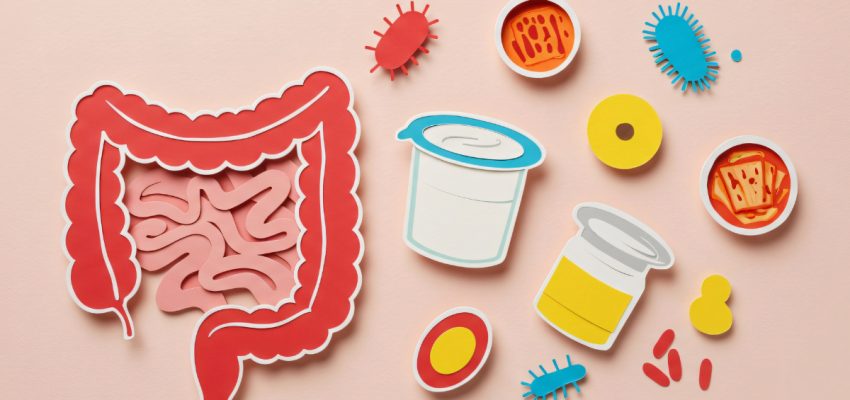
Healthy digestion is the foundation of how you feel every day. Your gut plays a role in digestion, energy levels, immunity, and even mood. Yet for many people, gut health only gets attention once symptoms appear.
Want to consciously support your gut in 2026? These are the 10 best things you can do for your digestion.
1. Build a strong foundation with food
Everything starts with what you eat. A varied diet with plenty of vegetables, fruit, fiber, and protein supports healthy digestion. Try to limit highly processed foods and pay attention to what your body tolerates well.
👉 If you have a sensitive gut, adding structure to your diet—such as a FODMAP-focused approach—may be helpful.
2. Stay well hydrated
Water is essential for healthy digestion. It helps keep stools soft and supports normal bowel movements. Not drinking enough can contribute to constipation and discomfort.
Tip: Start your day with a glass of water and sip regularly throughout the day.
3. Move your body regularly
Physical activity stimulates natural bowel movement (peristalsis). You don’t need intense workouts—walking, cycling, or light strength training can already benefit your digestion.
4. Prioritize rest and recovery
Stress and tension have a direct impact on your gut. Your gut and brain are closely connected through the gut–brain axis. That’s why quality sleep and relaxation are essential parts of gut health.
5. Support your gut microbiome
Your gut microbiome consists of billions of bacteria that support digestion and gut protection. Prebiotic fibers (from vegetables and grains) and fermented foods can help maintain a healthy balance.
Not everyone tolerates the same foods, so focus on what works for you.
6. Be mindful with alcohol
Alcohol can irritate the gut lining and disrupt the balance of gut bacteria. Drinking less—or not at all—gives your gut a chance to recover. Moments like Dry January often highlight how much difference this can make.
7. Eat mindfully
Eating quickly, large portions, and insufficient chewing can worsen digestive symptoms. Slowing down, chewing well, and listening to hunger and fullness cues can significantly support digestion.
8. Pay attention to portion sizes
Even healthy foods can cause symptoms when portions are too large—especially for people with sensitive digestion or FODMAP sensitivity. Small adjustments can make a big difference.
9. Consider targeted support
In some cases, additional support may be helpful—such as with specific food intolerances. Digestive enzymes can help break down certain nutrients like lactose, fructose, or other carbohydrates.
Targeted support should complement—not replace—a strong foundation.
10. Get to know your own gut
Every gut is unique. What works for one person may not work for another. Tracking what you eat and how you feel helps you recognize patterns and make informed choices that suit your body.
In conclusion
Gut health isn’t about perfection—it’s about balance. By building a strong foundation and using extra support when needed, you can give your gut the attention it deserves in 2026.

