



 UK
UK NL
NL IT
IT FR
FR ES
ES DE
DE AU
AU HR
HR AR
ARHow does histamine work in our body?
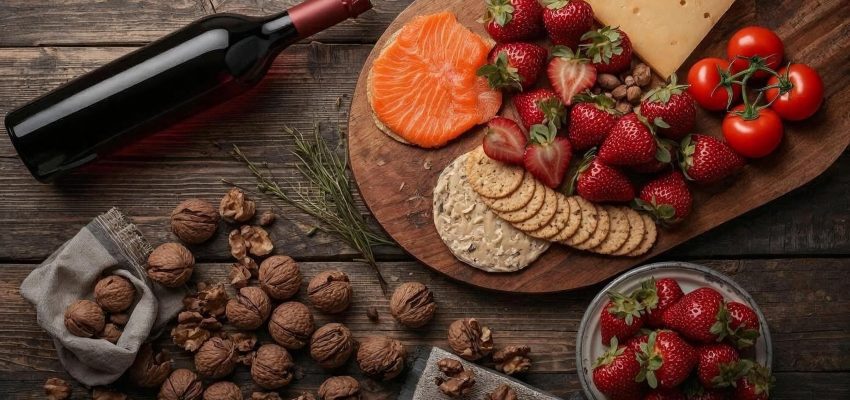
Histamine is a natural chemical messenger your body makes and uses every day. It helps your immune system respond to threats, supports digestion, and carries signals between nerve cells. Most of it sits stored in mast cells in your skin, airways, and gut, ready to be released when needed. The enzyme DAO helps it break down when it has done it’s job. Histamine can be found in aged and fermented food.
The short version:
- Histamine is a chemical messenger stored mainly in mast cells throughout your skin, airways, and intestines.
- Your body builds histamine from the amino acid histidine, with help from vitamin B6.
- Two enzymes clear histamine again: DAO handles most of what comes from food, while HNMT breaks down histamine your own cells produce.
- Aged and fermented foods like red wine, aged cheese, and certain fish naturally contain more histamine than fresh ones.
- When histamine from food isn’t broken down fast enough, it can build up and cause bloating, gas, and other digestive discomfort.
What Does Histamine Do in the Body?
Histamine acts as a messenger between your cells. It helps trigger your immune response, supports stomach acid production for digestion, and plays a role in signaling within your nervous system. Most of your body’s histamine sits stored inside mast cells, waiting to be released.
Mast cells are found throughout your body, but they cluster in a few key places: your skin, your airways, and the lining of your gut. That’s also where you’ll notice histamine’s effects first, whether that’s an allergic reaction or digestive discomfort.
How Does Your Body Produce Histamine?
Your body builds its own histamine from histidine, an amino acid found in protein-rich foods. This conversion happens in specific cells in your gut, stomach lining, and skin, and it needs helper nutrients, including vitamin B6, to work properly.
This internal production runs independently of what you eat on any given day. It’s a background process that keeps your immune system and digestion running, not something tied only to a histamine-rich meal.
How Does Your Body Break Down Histamine?
Two enzymes clear histamine from your body: DAO and HNMT. HNMT works inside your cells and handles histamine your body produces itself. DAO works outside your cells, mainly in the wall of your gut, and it’s your main defense against histamine that enters through food.
Research on the enzyme’s biochemistry suggests HNMT accounts for roughly 50 to 80% of histamine breakdown, with DAO responsible for around 15 to 30% (1). That distinction matters: because DAO acts in the gut wall rather than inside the gut itself, its job is specifically to intercept histamine before it’s absorbed from food a different task from HNMT’s work of clearing histamine your own cells make.
For histamine that reaches you through your diet, DAO does most of the heavy lifting (2). When that breakdown capacity is lower than what you’re taking in, histamine from food can build up faster than your body clears it.
Why Do Some Foods Contain More Histamine Than Others?
Histamine also comes from food, and some foods naturally contain a lot more of it than others. It’s particularly common in aged and fermented products, such as red wine, aged cheese, and certain types of fish.
During fermentation or aging, bacteria convert histidine in the food into histamine. Researchers have identified well over a hundred gut and food bacteria species capable of this conversion (3). As a general rule, the longer a product ferments or matures, the more histamine it builds up, which is why fresh foods tend to contain less.
Some foods don’t contain much histamine themselves but still trigger your body to release more of its own. Strawberries, tomatoes, chocolate, and shellfish are common examples of these histamine releasers. Keep in mind that food histamine lists vary widely between sources, since content shifts depending on ripeness, storage, and how a food was handled (2).
What Happens When Histamine Triggers an Allergic Reaction?
Histamine plays a central role in your immune response. It’s released when your body flags a substance as a potential threat. Sometimes, though, your body reacts this way to substances that are otherwise harmless, like pollen, dust mites, or certain foods. We call these substances allergens, and the reaction shows up as things like hay fever or an allergic skin reaction.
When an allergen enters your body, it binds to antibodies on the surface of mast cells, a bit like a key fitting a lock. That triggers the mast cell to release histamine and other inflammatory substances, which sets off the allergic reaction. Because mast cells cluster in your skin, airways, and mucous membranes, that’s usually where symptoms show up first, think eczema, shortness of breath, or a stuffy nose.
What Is Histamine Intolerance, and How Is It Different From an Allergy?
Histamine intolerance isn’t an allergic reaction. Instead, the issue sits with breakdown: when histamine from food isn’t cleared properly in your gut, mainly due to lower DAO activity, it can accumulate and cause bloating, gas, and other digestive discomfort in sensitive individuals.
Testing this isn’t as straightforward as it might sound. A large study of over a thousand adults found that a low DAO blood level didn’t reliably predict who actually experienced histamine-related symptoms, only a very low DAO level was linked to more airway complaints specifically (4). In other words, a DAO blood test alone doesn’t tell the full story, and symptoms are best assessed together with your doctor or a dietitian rather than from a lab value on its own.
How Can a DAO Supplement Support Histamine Digestion?
If you’re looking to support your body’s ability to process histamine from food, DAO Plus and DAO Mini supply the DAO enzyme itself. DAO Plus and DAO Mini help with the digestion of histamine.*
*This statement has not been evaluated by the Food and Drug Administration. This product is not intended to diagnose, treat, cure, or prevent any disease.
Not sure what fits your situation? Our dietitians are happy to think it through with you.
If your symptoms stick around, if you’re losing weight without trying to, or if you find yourself cutting out more and more foods, talk to your doctor or a dietitian.
Sources
- Patel RH, Rahimi N. Biochemistry, Histamine. StatPearls, 2026.
- Comas-Basté O, et al. Histamine Intolerance: The Current State of the Art. Biomolecules. 2020;10(8):1181.
- Mou Z, et al. BMC Genomics. 2021;22:695.
- van Odijk J, et al. Nutrients. 2023;15(13):2887.
- Reese I, et al. Vorgehen bei Verdacht auf Unverträglichkeit gegenüber oral aufgenommenem Histamin. AWMF S1 Guideline 061-030, 2021.

