



 UK
UK NL
NL IT
IT FR
FR ES
ES DE
DE AU
AU HR
HR AR
ARWhich enzymes help digest FODMAPs?
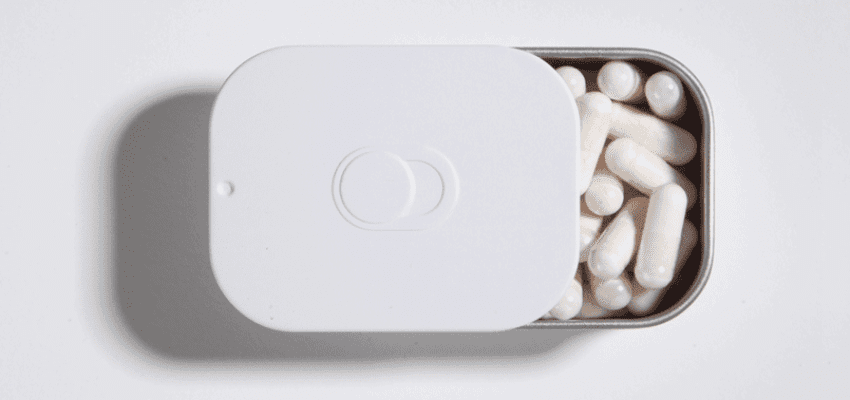
For those following the FODMAP diet, nutrition can sometimes be a challenge. Certain carbohydrates in food, known as FODMAPs, are not always digested properly. This has led to growing interest in the role of digestive enzymes as a possible aid in following a FODMAP-restricted diet. But which enzymes are relevant here? And what is their function?
What are FODMAPs?
FODMAPs are a group of carbohydrates and sugar alcohols found in many everyday foods. They are not always completely broken down in the small intestine, which means they can ferment in the large intestine. The FODMAP diet is designed to temporarily limit the intake of these carbohydrates, so that individuals can gain a better understanding of which foods may be problematic for them.
The role of digestive enzymes
Digestive enzymes are proteins produced by the body that have a specific task: breaking down nutrients into smaller, absorbable components.
Each enzyme targets a specific type of nutrient, such as carbohydrates, proteins, or fats. Within the framework of the FODMAP diet, some enzymes may help digest certain FODMAPs. Below is an overview of enzymes that may be relevant in this regard.
Which enzymes can help with the FODMAP diet?
Although the FODMAP diet is primarily aimed at avoiding specific carbohydrates, some people choose to use digestive enzymes as a supplement. This can be particularly beneficial in situations where it is difficult to have complete control over your diet, such as when eating out, traveling, or having spontaneous meals. In such cases, targeted enzymes can provide support in the digestion of certain FODMAP-rich ingredients.
Below is an overview of which enzymes can help:
Lactase helps digest lactose (milk sugar). This enzyme is relevant when consuming dairy products such as milk, yogurt, and ice cream.
Alpha-galactosidase helps digest fructans and galactans. This enzyme is relevant when eating products such as wheat, onions, garlic, and legumes.
Xylose isomerase helps convert fructose (fruit sugar). This enzyme is relevant when consuming fructose-rich products such as apples, mangoes, and honey.
Invertase helps break down sucrose (table sugar). This enzyme is relevant when consuming sweetened products such as soft drinks, pastries, and candy.
Please note: not all FODMAPs can be broken down with enzymes. For polyols, such as sorbitol and mannitol, there is currently no known enzyme that effectively breaks them down during digestion.
Where are these enzymes found?
Many digestive enzymes occur naturally in the body, for example, lactase, which breaks down lactose in the small intestine. The enzymes used in supplement form are identical in function to the body’s own enzymes: they perform the same specific function in digestion. These supplemental enzymes are usually extracted from natural sources such as lactase in yogurt cultures or alpha-galactosidase in certain fungi, which are processed into supplements.
Are digestive enzymes safe?
Yes, digestive enzymes are generally safe to use. The enzymes in supplements have one specific function: to break down a particular nutrient, such as lactose or fructose. They work exclusively in the digestive tract—particularly in the small intestine and are then excreted naturally by the body. They therefore have no effect on other processes in the body. However, it is important to follow the instructions on the packaging and, if in doubt, consult a professional.
In conclusion
Digestive enzymes can be a valuable addition to a FODMAP-restricted diet, especially when it is not possible to fully control the composition of a meal.
Would you like to know which enzymes can support you? Take the intolerance test at intoleran.com or contact one of our dietitians for personal advice.

